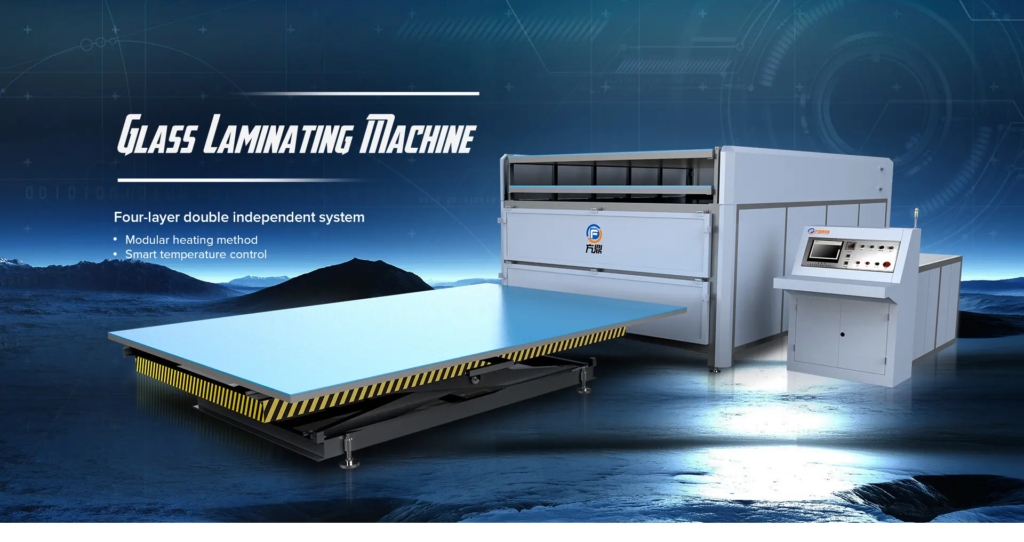
A glass lamination unit (GLU) is a safety glass product created by bonding two or more glass lites together with a transparent interlayer, typically Polyvinyl Butyral (PVB) or SentryGlas® (ionoplast). This report will delve into the details of GLUs, covering their composition, types, applications, and benefits.
Composition:
- Glass lites: These can be tempered glass, annealed glass, or other specialized glass types depending on the desired properties of the final product.
- Interlayer:
- Polyvinyl Butyral (PVB): The most common interlayer material, offering good adhesion, clarity, and UV resistance.
- SentryGlas® (ionoplast): A high-performance interlayer known for its exceptional clarity, strength, and increased safety compared to PVB.
Types of Glass Lamination Units:
- Safety Glass: The most common type, utilizing PVB interlayers. They hold the glass plies together upon breakage, preventing shattering and injury.
- Security Glass: Often uses thicker PVB or SentryGlas® interlayers, making them resistant to forced entry and offering additional ballistic protection.
- Hurricane Glass: Designed for high wind load areas, using thicker glass plies and strong interlayers to withstand extreme weather conditions.
- Decorative Glass: Integrates decorative films or fabrics within the interlayer for aesthetic purposes.
- Soundproof Glass: Utilizes special interlayer materials to dampen sound transmission.
Applications:
- Architectural glazing (windows, doors, curtain walls)
- Skylights and overhead glazing
- Shower enclosures and partitions
- Bullet-resistant glazing
- Architectural and decorative applications (laminates with colored films or fabrics)
Benefits:
- Safety: GLUs prevent glass from shattering and falling upon breakage, reducing the risk of injury.
- Security: They offer increased resistance to forced entry compared to single pane glass.
- Soundproofing: Specific types can significantly reduce noise transmission.
- UV Protection: The interlayer helps block harmful UV rays.
- Enhanced Aesthetics: Decorative films and fabrics within the interlayer add a unique design element.